


Nutritional and herbal supplementation for the treatment of OCD
Jessica D. Russo Psy.D. | Clinical Psychologist
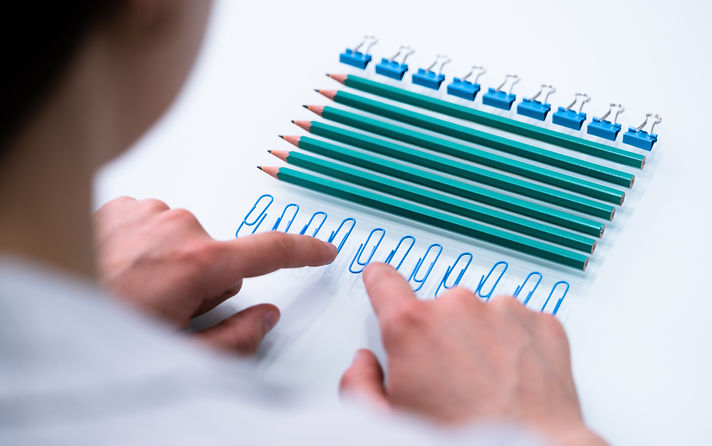
Andrey Popov / Adobe stock
Obsessive Compulsive Disorder (OCD) is a chronic psychiatric disorder marked by intrusive thoughts and compulsive behaviors. It can be a debilitating illness that leads to severe functional impairment. OCD is the fourth most commonly diagnosed psychiatric illness in the United States, affecting about 1.2% of U.S. adults in a given year, which translates to two to three million people. Onset typically occurs by adolescence usually between the ages of 10-24, with one third of all cases appearing by age 15.
Conventional psychotropic treatments usually include selective serotonin reuptake inhibitors (SSRI’s), which can often lead to side effects, while not always adequately addressing symptoms. In fact, with any given trial of an SSRI, only 40-60% receive benefit. Moreover, for those who do experience a reduction in symptoms, the average percentage of improvement is only at 40-50%.
Indeed, true healing from any psychiatric condition should not rely solely on symptom reduction but ideally include, along with psychotherapy and other factors, attention to underlying nutritional deficiencies.
Poor neurotransmitter synthesis, particularly a deficiency in serotonin synthesis, has been associated with OCD. As Chief Medical Officer of Psychiatry Redefined James Greenblatt, MD explains, successful serotonin synthesis depends on the availability of L-tryptophan and essential cofactors including vitamin B3, folate (5-MTHF), vitamin B6, and zinc. Yet serotonin levels “will be less than optimal if any of the required building blocks are deficient.” In addition, levels of B12 are often low in people suffering from OCD, as well as low levels of melatonin. High levels of estrogen can also elevate OCD symptoms in both women and men.
Vitamin D is frequently used as an integrative supplement for OCD. It is important for healthy brain development and functions. Vitamin D deficiency has been shown to contribute to OCD by disrupting the synthesis of important neurotransmitters, specifically serotonin and catecholamine.
In addition, Vitamin D is an antioxidant and acts as a neuroprotector for OCD. A few studies have demonstrated that the role of free radicals, particularly increased levels of nitric oxide, are seen in the brains of those with OCD.
Vitamin B12 and folic acid are also frequently used in the integrative treatment of OCD. Both play an important role in neurotransmitter metabolism. Consequently, neurotransmitter levels may decrease due to deficiency of vitamin B12 and folic acid and have been implicated in the development of OCD.Trace elements may also be a contributing factor in the etiology of OCD. Ozdemir et al, for example, discovered that serum selenium level was lower in patients with OCD (n=28). In another study, 48 patients with OCD were compared with 48 healthy controls and found that serum zinc, iron and magnesium levels decreased in patients with OCD; however, manganese and calcium levels were increased.
Glycine has shown significant effect on OCD symptoms. It is an amino acid that likely diminishes OCD symptoms due to its ability to activate the N-methyl-D-aspartate (NMDA) receptor, a type of glutamate receptor in the brain that is crucial for synaptic plasticity, learning, and memory.
Another promising supplement, often used as an alternative to psychotropics for OCD, is inositol. This naturally occurring sugar compound is critical for cell function and regulating neurotransmitters. Alpine Psychiatry in PA notes that that high-doses of inositol may improve OCD symptoms by modulating serotonin activity. A placebo-controlled study published in the American Journal of Psychiatry found that patients taking 18 grams of inositol daily over six weeks experienced significant reductions in OCD symptoms compared to those receivinga placebo.
There are several other supplements which provide relief for OCD. Leslie Korn, PhD, a Harvard-trained integrative medical clinician, offers a great protocol for those suffering from anxiety in her book, Nutrition Essentials for Mental Health: a Complete Guide to the Food-Mood Connection.
DISCLAIMER: “VITAL SIGNS” DOES NOT PROVIDE MEDICAL ADVICE
The information, including but not limited to, text, graphics, images and other material contained on this website are for informational purposes only. No material on this site is intended to be a substitute for professional medical advice, diagnosis or treatment. Always seek the advice of your physician or other qualified health care provider with any questions you may have regarding a medical condition or treatment and before undertaking a new health care regimen, and never disregard professional medical advice or delay in seeking it because of something you have read on this website.


